File Converter Browser Based
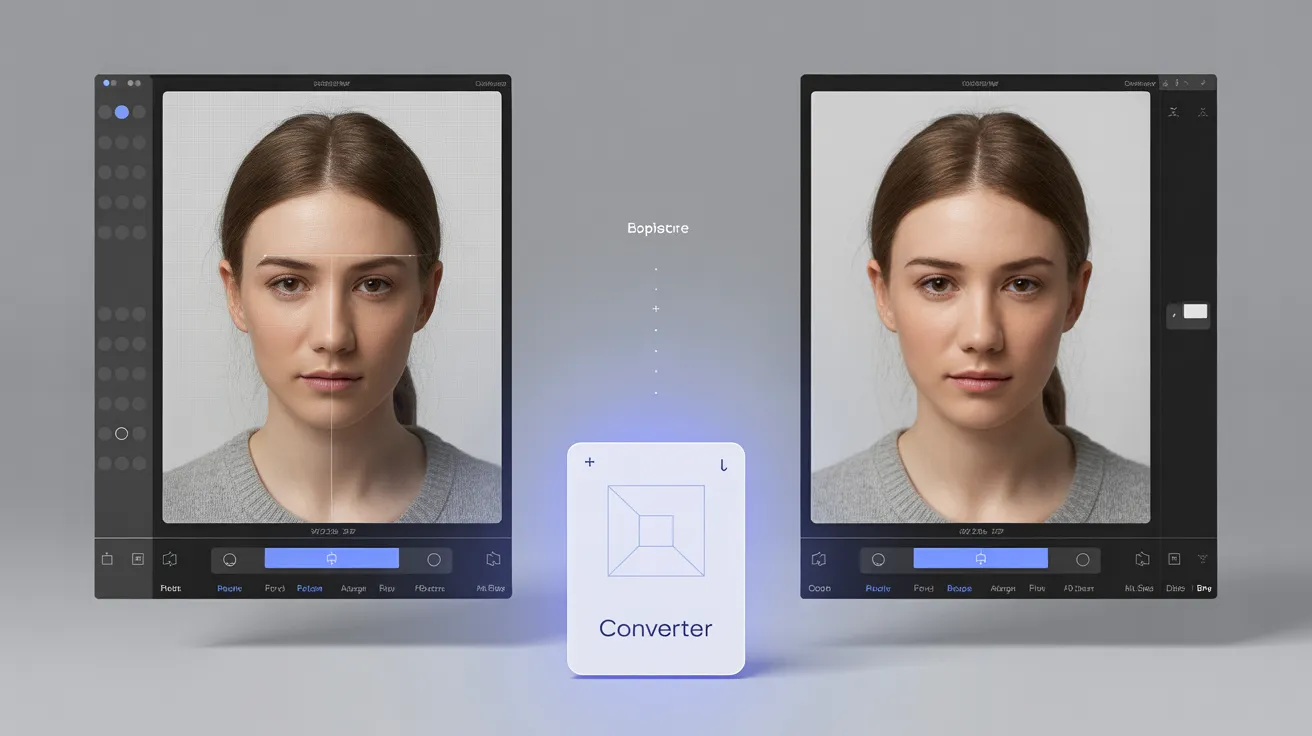
Thanks to a free file converter, you will speedily change visual files to the right format and size—ideal for websites, social media, or sharing. All you need to do is upload your files, choose your target output format (like JPEG, PNG, or GIF), and retrieve the output in seconds. These tools manage bulk image processing, reduce file sizes to conserve storage, and maintain data security. You don't require any specialized knowledge, and you'll fulfill different platform requirements with ease. Keep reading to explore features, privacy tips, and more.
Critical Observations
Understanding Rapid Image Conversion Benefits
Whether you're revise a website, transfer files to customers, or create images for social media, fast image conversion conserves valuable time and resources. It's crucial to ensure your images match the right format, and frequently, the appropriate size. Reducing file size is crucial—compressed images improve web loading speed, decrease storage needs, and make sharing easier. If you're handling multiple images, batch processing proves crucial. As opposed to converting files individually, batch processing allows you to transform entire folders in just a few clicks. This effectiveness is vital in professional workflows where time is valuable. Rapid image conversion confirms your files are optimized for various platforms and devices, enhancing productivity and maintaining quality, all while meeting specific requirements for size and format.
Core Characteristics of a High-Quality File Format Converter
When picking a top-tier file converter, you need to consider features that enhance your productivity and ensure reliable results. Effective file compression is crucial, enabling you to reduce file sizes without compromising image quality. This helps save storage space and speeds up file sharing. Multi-file processing is also essential—handling multiple files at once improves efficiency and eliminates repetitive tasks. Seek out converters with a intuitive interface, so you can quickly navigate options and settings. Fast processing guarantees you're not waiting around, even with large files. Additionally, robust security measures safeguard your data during conversion. Consistent operation, few mistakes, and regular upgrades finish the essentials. These features ensure your file conversion process is smooth, efficient, and uniformly superior.
Understanding Supported Image Formats
You'll likely work with common image file types including JPEG, PNG, GIF, and BMP. It's essential to understand the difference between lossless formats that preserve image quality, and lossy formats that compress files by eliminating certain information. This knowledge allows you to choose the most suitable format for your purposes, whether you're looking for smaller file sizes or maximum image quality.
Common Picture File Formats
Want to know about the different image formats available to you? You'll come across several widely-used types when working with images. JPEGs are popular for photos due to efficient compression and universal compatibility. PNGs are perfect for maintaining transparency and detail, excellent for graphics with sharp edges. For vector graphics—images that expand perfectly without loss of detail—SVG is your best choice. When working with animated images, GIFs are commonly used, however they have color restrictions. BMP files are uncompressed and large, but some applications require them. TIFF provides flexibility and allows for layering, preferred in publishing and design. WebP strikes a balance between quality and size, increasing in use for web use. Learning about these formats helps you select the right choice for your requirements and provides seamless, rapid conversions.
Breaking Down Lossless and Lossy Compression Formats
Ever pondered why some image files are crystal clear but substantial, while others are compact yet a bit unclear? This this guide is determined by compression techniques. Lossless formats, such as PNG and TIFF, maintain every detail by condensing data without discarding any information. This results in excellent quality, but the file size stays substantial. Compressed formats, like JPEG, employ aggressive compression methods to decrease file sizes considerably by eliminating less noticeable details. This makes images easier to store and distribute, but you'll notice small quality loss, notably after repeated edits or conversions.
When choosing between lossy and lossless options, consider what you need in terms of compression and fidelity. Additionally, keep in mind format compatibility—various systems and devices only work with certain formats, which can influence which option you select.
Getting Started with the Converter: Easy Steps
First upload your picture straight to the platform. Subsequently, select your preferred output format from the available options. When the conversion finishes, you can obtain the transformed image immediately.
How to Upload Your Image
Looking to begin? First, click the "Upload" button on the converter's main screen. You'll receive a prompt to select your image file from your local storage. Be certain you know where your file is saved for swift access. Before starting the upload, confirm your image dimensions and file size—larger images and weightier files may take longer to upload, based on your internet bandwidth. Most converters work with common formats like JPG, PNG, or GIF, but confirm your file type is accepted. Once you identify your file, the upload process will begin automatically. You'll observe a progress bar displaying the upload status. Avoid closing the tab during this step. After the upload, you're ready to continue with the next step in the conversion procedure.
Setting Up Your Output Format
When your image finishes uploading, you must choose your desired output format from the list of options provided by the converter. Selecting the right format is an essential step, as it defines how your image will be preserved and applied later. Most converters support common formats such as JPG, PNG, GIF, BMP, and TIFF, enabling you to select the one that best suits your needs. Use the dropdown menu to make your selection—several converters even provide brief descriptions of each format to assist your decision.
According to the converter, you could find output adjustment features. These allow you to configure settings including visual quality, compression ratio, or color profile before proceeding with the conversion. Carefully select these parameters to ensure your converted image matches your particular specifications. Review your choices before continuing.
Accessing Your Converted Image
Ready to save your transformed image? When the conversion process ends, you'll find a clear download control. Simply click to download the converted file to your device. If you utilized file compression or image resizing, the saved image will reflect those changes—optimized for file size or dimensions as specified. Your converted image usually downloads to the default folder; verify that location if the file seems missing.
For your security, always verify the download has completed before closing the converter page. When processing several images, you could receive a ZIP file containing all outputs. Unpack these files using regular file management tools. Keep in mind the level of file compression and image resizing significantly impacts your downloaded picture's clarity and functionality, so review the output before sharing or printing.
Contrasting Free and Paid Image Format Converters
When comparing image processing software, you'll observe distinct variations between free and paid options. Free options usually feature a basic user interface that's user-friendly but often miss advanced features or customization choices. You might encounter advertisements or file size limits, which may impact your workflow. Paid tools typically offer an enhanced user interface, supporting batch conversions, enhanced resolution exports, and additional format options.
Customer support stands out as a key differentiator. Free converters typically lack dedicated support; if difficulties occur, you'll typically depend on forums or FAQ sections. By contrast, paid solutions usually offer responsive customer support, helping you get quick solutions. At the end of the day, your selection comes down to your particular needs—if you value user-friendly features, advanced capabilities, and assistance, investing in a paid solution could be beneficial.
File Conversion Security and Privacy Measures
Although free file converters deliver ease of use, it's essential to evaluate how they process your data during the conversion process. When you upload images to a converter, you're relying on the platform with potentially sensitive information. Verify the service uses strong encryption protocols for both data transfer and storage. Strong encryption safeguards your files from unauthorized access. Before submitting, check the service's privacy terms to understand how your data is managed. Trustworthy converters should state whether they retain, distribute, or erase your files after processing. If you don't see transparent privacy guidelines, reevaluate using that service. Following these security steps helps you safeguard your personal data and guarantees that your converted images remain secure throughout the process. Always value security over convenience.
Tips for Enhancing Processed Visual Content
To maintain high-quality converted images with efficient file sizes, focus on optimizing settings before saving. Initialize by selecting the right image resolution—higher resolution provides crisper images but raises file size. For web use, choose a medium resolution to achieve the right mix of clarity and loading speed. Next, modify color depth depending on your needs. Reduced color depth shrinks file size but might influence gradients and subtle tones, while greater color depth maintains color fidelity at the cost of larger files. Remember to preview your output to confirm visual quality matches your expectations. In conclusion, select the best format (JPEG, PNG, or WebP) for your particular needs. These procedures ensure your converted images are optimized for quality and size for any application.
Common Questions
What's the Daily File Conversion Limit?
With regard to file conversions, you should be mindful of your usage. It's essential to track conversion limits, since many platforms implement daily usage restrictions to guarantee fair distribution and preserve system efficiency. These daily limits generally limit your file quantity, overall size, or number of conversions. Always verify the service's specific guidelines to prevent reaching limits while converting files.
Can I Use the Converter on My Smartphone or Tablet?
You can use the converter on your smartphone or tablet, due to its mobile-friendly design. The platform's responsive design guarantees efficient functionality on various devices, so you won't face any significant device limitations. Just open the converter via your mobile browser, select your files, and commence converting. It's not necessary to install additional apps, making the conversion efficient and user-friendly. Simply verify your device has a reliable internet connection for optimal results.
Is Internet Connectivity Required for Using the Tool?
Just like a car needs fuel to run, this tool needs an internet connection to operate. You cannot use it offline, so an online connection is essential for file uploads, conversion processing, and result downloads. If your connection drops during use, your conversion might fail or remain incomplete. You need to maintain an internet connection throughout the entire process to maintain seamless functionality and complete conversion results all the time.
Will Your Converted Images Include Watermarks?
While converting images, you typically want to make sure there's no watermark placed on your files. The majority of trusted tools focus on watermark removal, ensuring your finished images retain high quality standards. You won't have to worry about unnecessary markings or logos affecting your visuals. Be sure to verify the tool's policy, but you'll typically get clean, professional results that maintain your original content. When quality preservation is important, you're in good hands on trusted conversion tools.
How Can I Submit an Issue or Feature Request?
When you experience a technical difficulty or would like to suggest a new feature, you need to use the feedback submission option typically located in the app's help menu. This is the section where you can clearly describe any problems or send feature requests. Make sure to include comprehensive information, so that the development team can resolve your problems promptly. Your feedback contributes to improving the service and ensures that new features match users' needs.
Wrapping Up
Picture a file converter as a pathway, carrying your images from one side to another—swiftly, safely, and smoothly. With the ideal tool, you're not just converting formats; you're unveiling new possibilities and enhanced communication. By choosing a reliable, secure converter and improving your files, you keep your digital world orderly and effective. Step confidently across that connection—your images will emerge refined and ready for future use. Your workflow merits nothing less.